
Machinery
The line that turns paper into a pack.
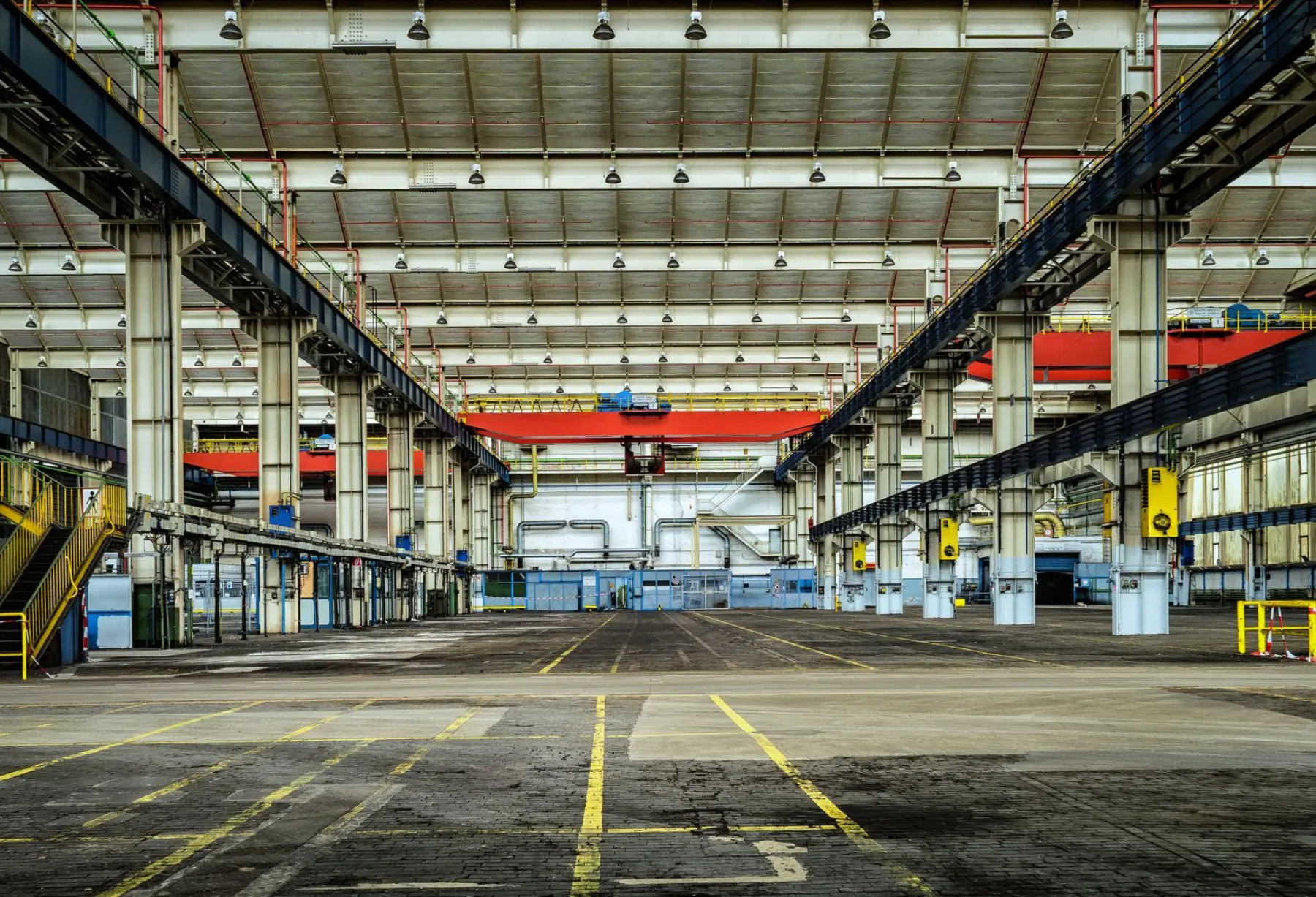
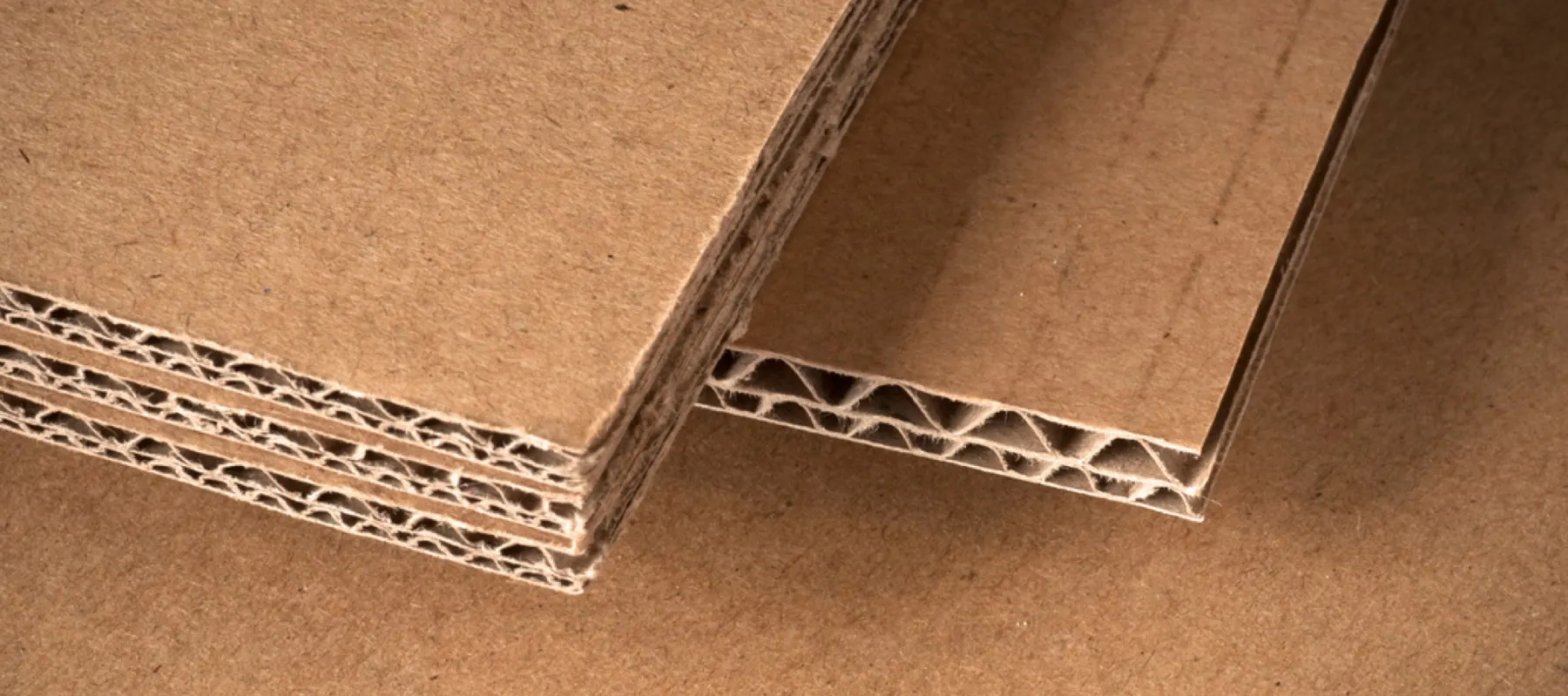
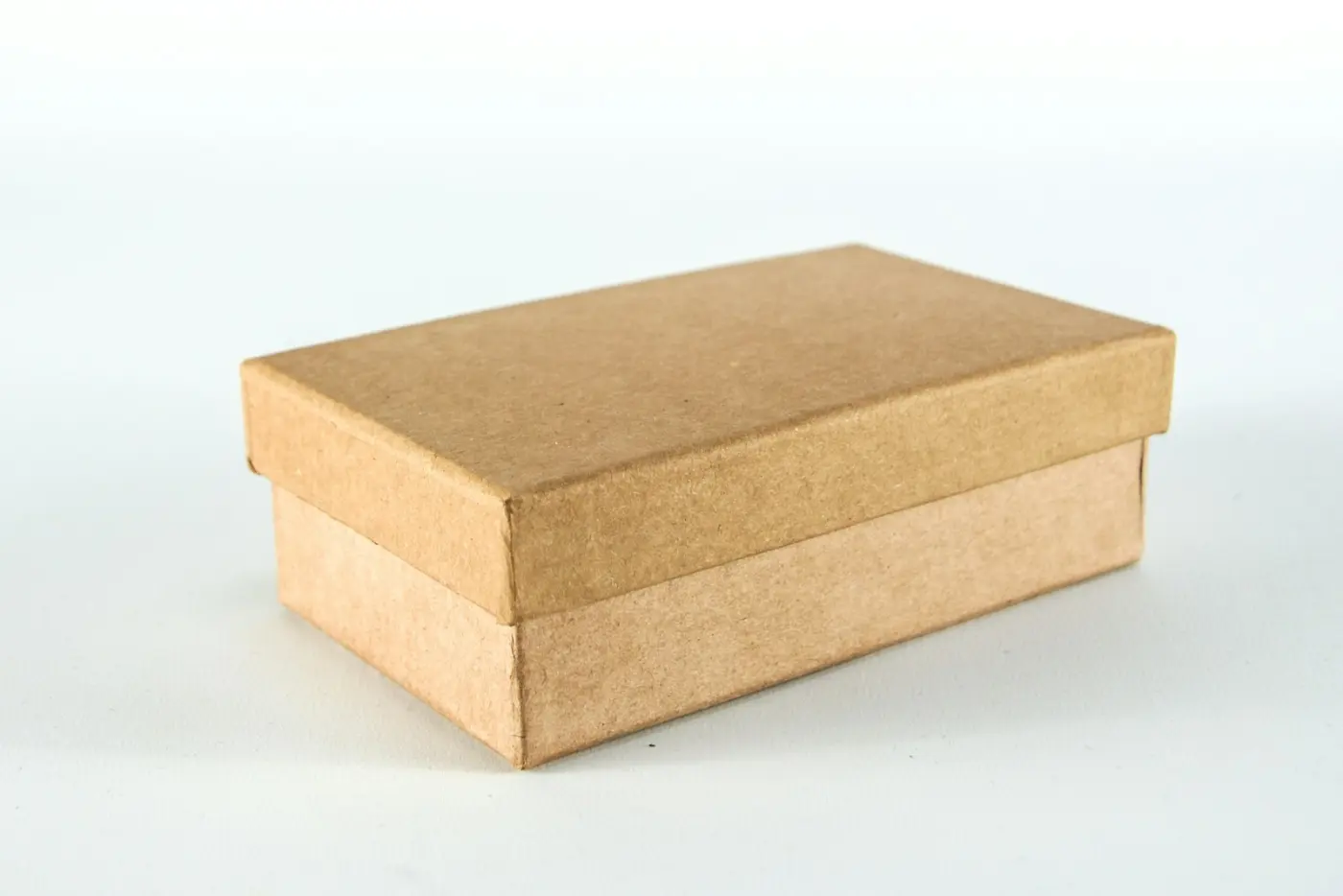
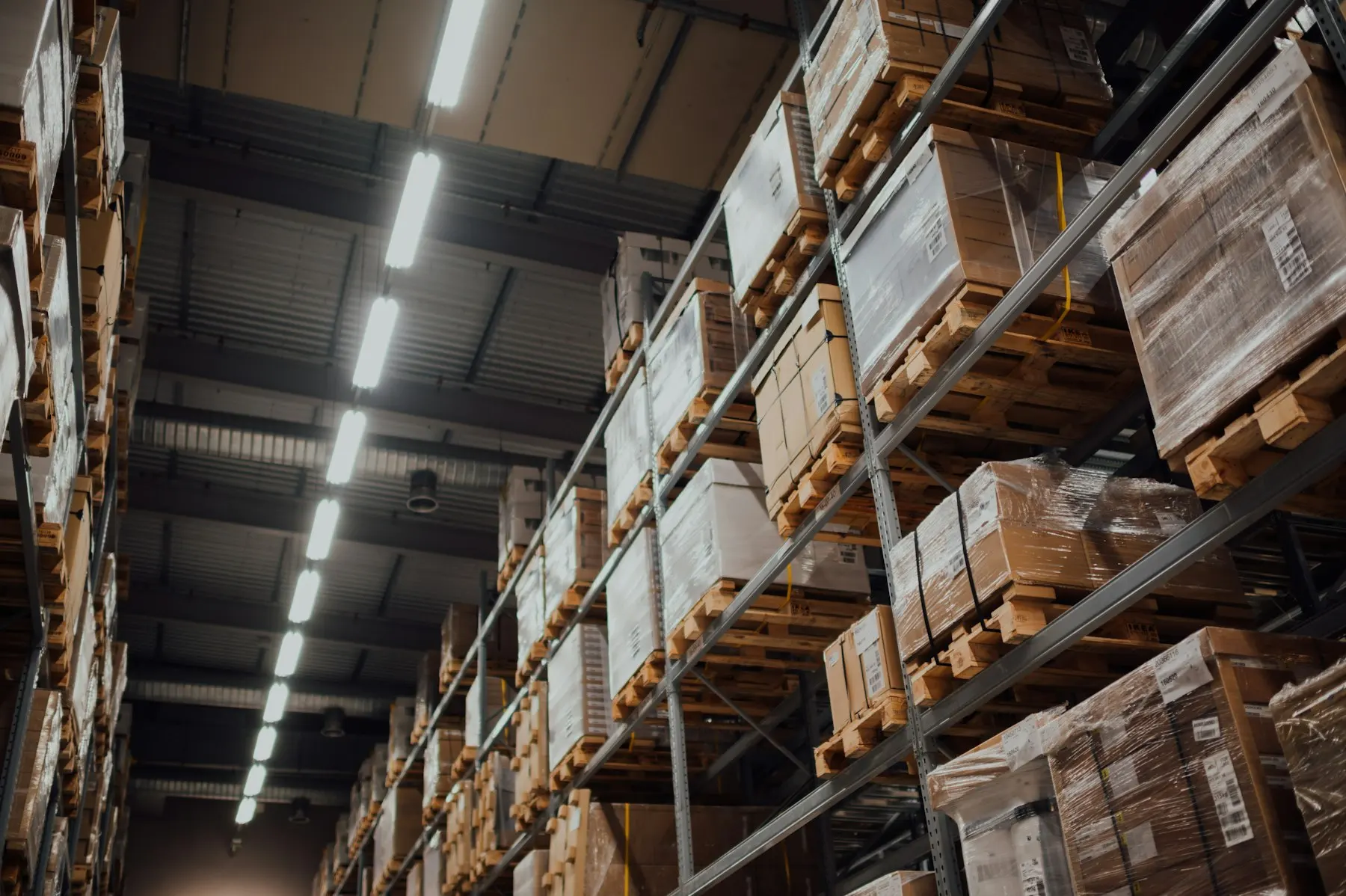
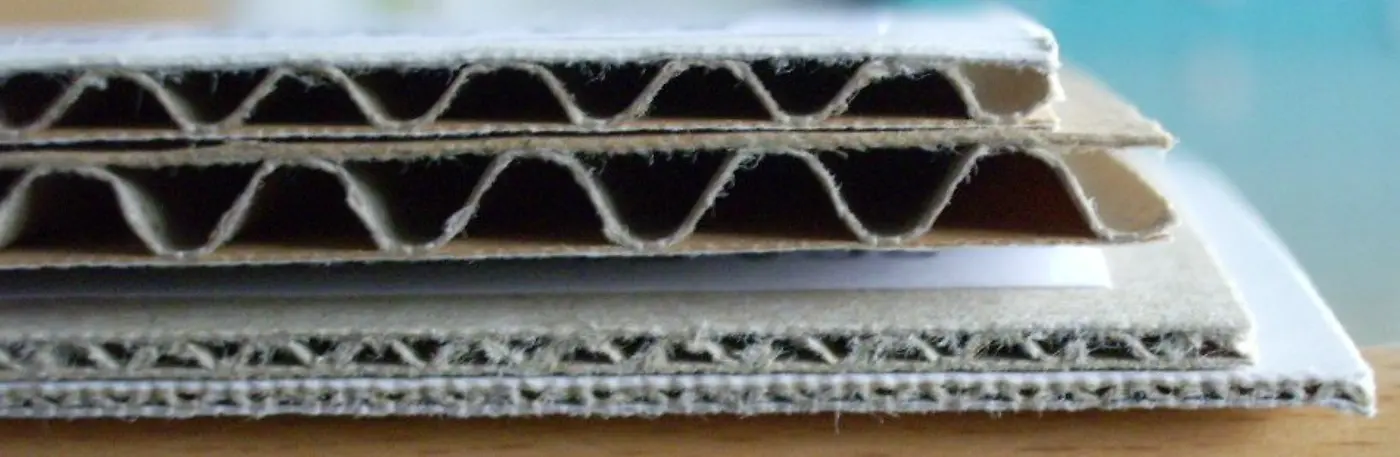
The box plant runs corrugation, pasting, sheet cutting, slotting, punching, rotary, lamination, printing and stitching. The photographs show the board and the cartons, not a claimed line speed.
Process 01
Corrugation
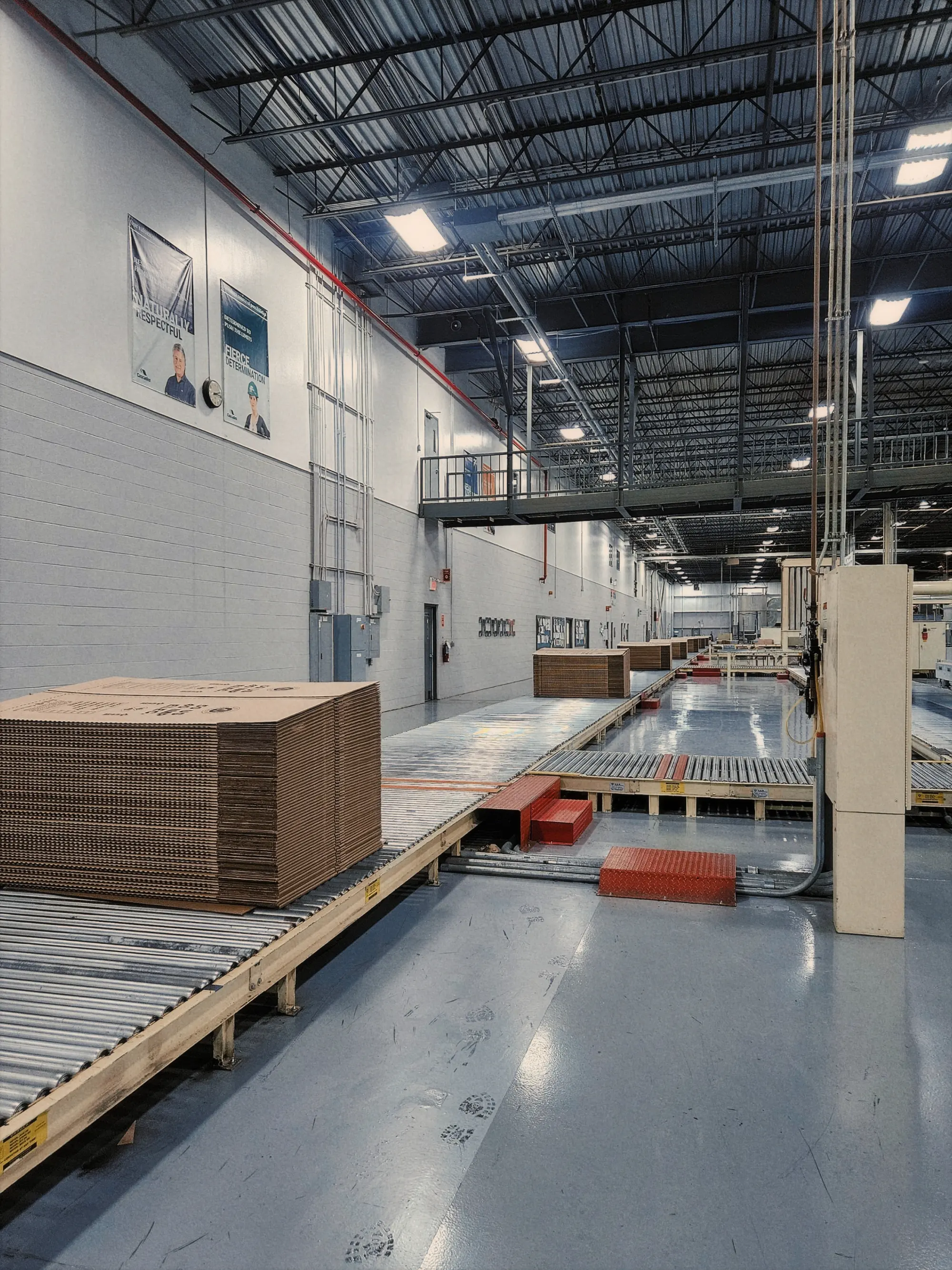
The corrugator forms the flute and bonds it to the liner. A consistent flute is what lets every carton cut from that board behave the same way.

Process 02
Pasting
Pasting joins the liners and the flute into board that holds. It is the step that turns paper into a sheet strong enough to become a carton.
Process 03
Sheet cutting
The sheet cutter brings the board down to the blank size. A clean cut is what the slotter and the finishing line then work from.

Process 04
Slotting
Slotting and creasing turn a flat sheet into a box blank. Slots and scores have to land where the drawing says they land, or the carton will not square up.
Process 05
Punching
Punching cuts the openings and the shapes a plain slot will not give — handles, locks and the odd outline a product needs.
Process 06
Rotary
The rotary line slots, creases and prints board in one pass. It is how a repeat carton stays the same from the first piece to the last.

Process 07
Lamination
Lamination adds a face for moisture resistance or for a finer print. Duplex and offset printed mono cartons use that surface when the pack has to carry the brand.

Process 08
Printing
Printing puts a mark, a handling line, or a brand panel on the board. On corrugated that is a shipping print. On mono cartons it is duplex and offset print.
Process 09
Stitching
Stitching closes the manufacturer’s joint on cartons that need a wire fasten rather than glue alone. It is the usual choice for heavier industrial boxes.
Paper core tube plant
The machines that wind a core.
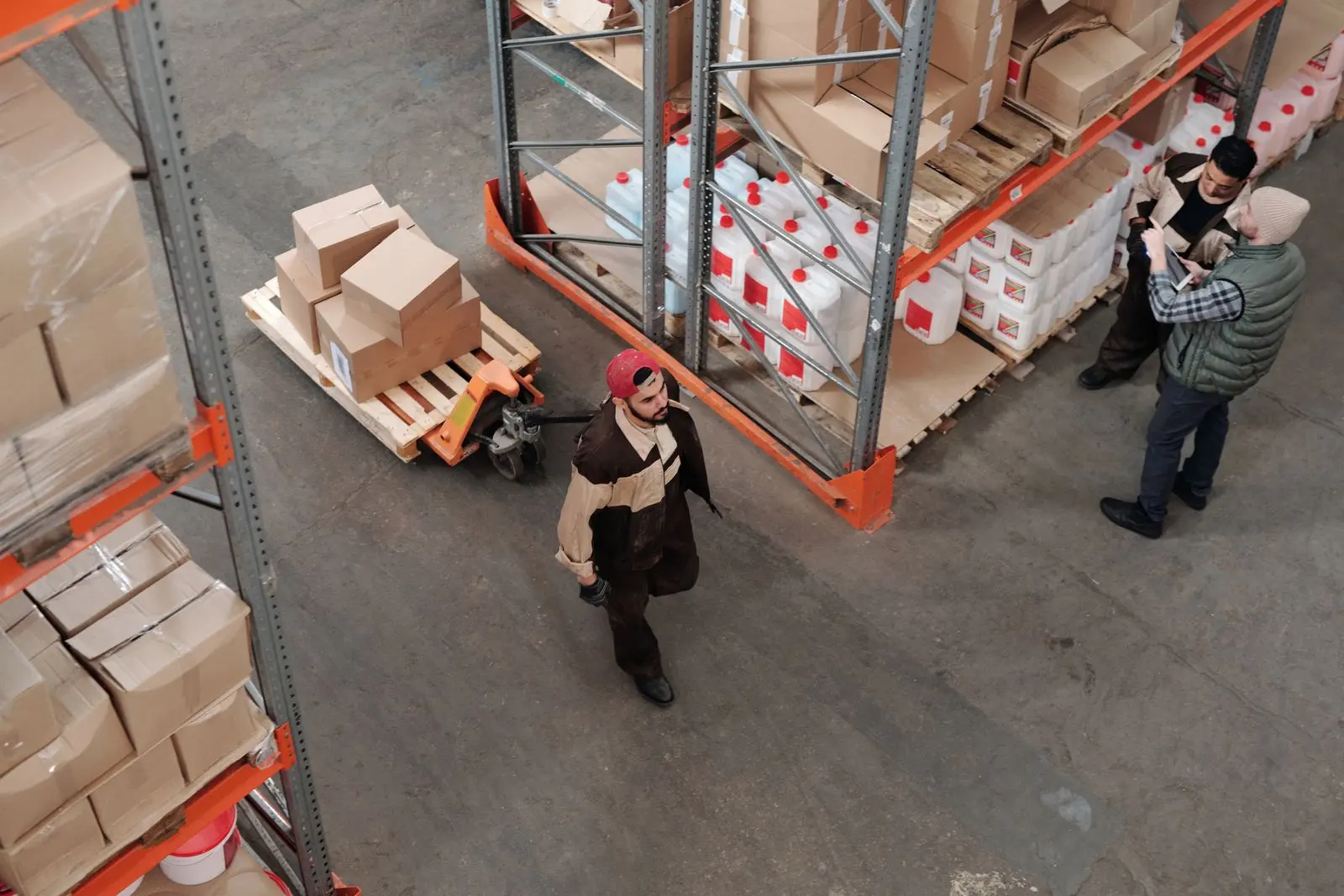
- 32-layer reel stands Sixteen and sixteen reel stands with cascade glue tanks, feeding the winder.
- Single belt winder SPTM 500 The winder that builds the paper core.
- Re-cutting and trimming, DTR 2000 Cuts and trims cores to the length the reel needs.
- Air compressor Plant air for the tube line.
Running speeds and tolerances belong on a quotation, measured against the board and the drawing for that order.
Describe the job